
Engineering that changes how foundations perform
Every helical pile we supply is manufactured to standards that prioritize strength, durability, and installation reliability.
The choices made in materials, welding, and protective coatings determine whether a foundation performs as designed for decades or fails under real-world conditions.
This is where those choices are made.
Inertia Friction Welding
What it is
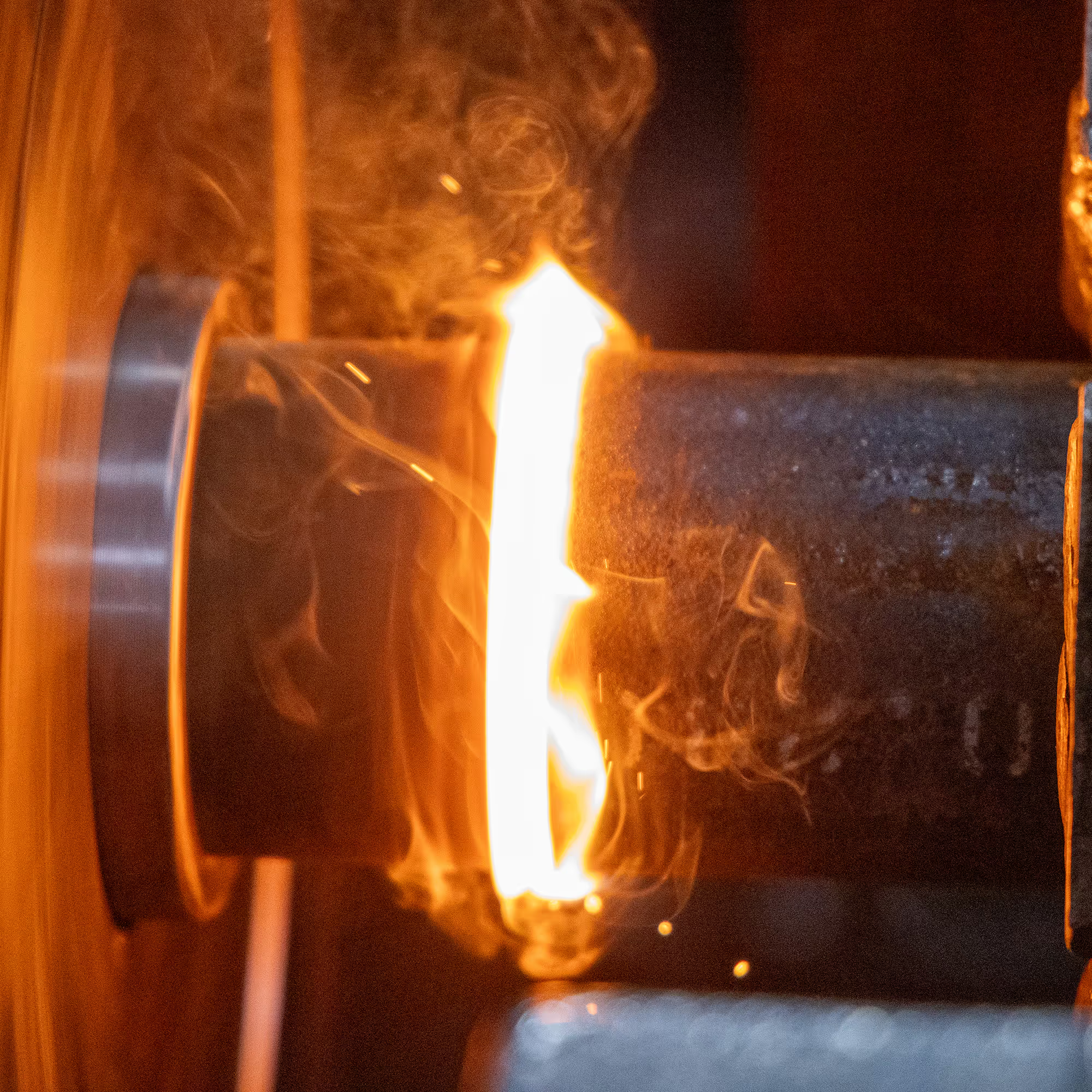
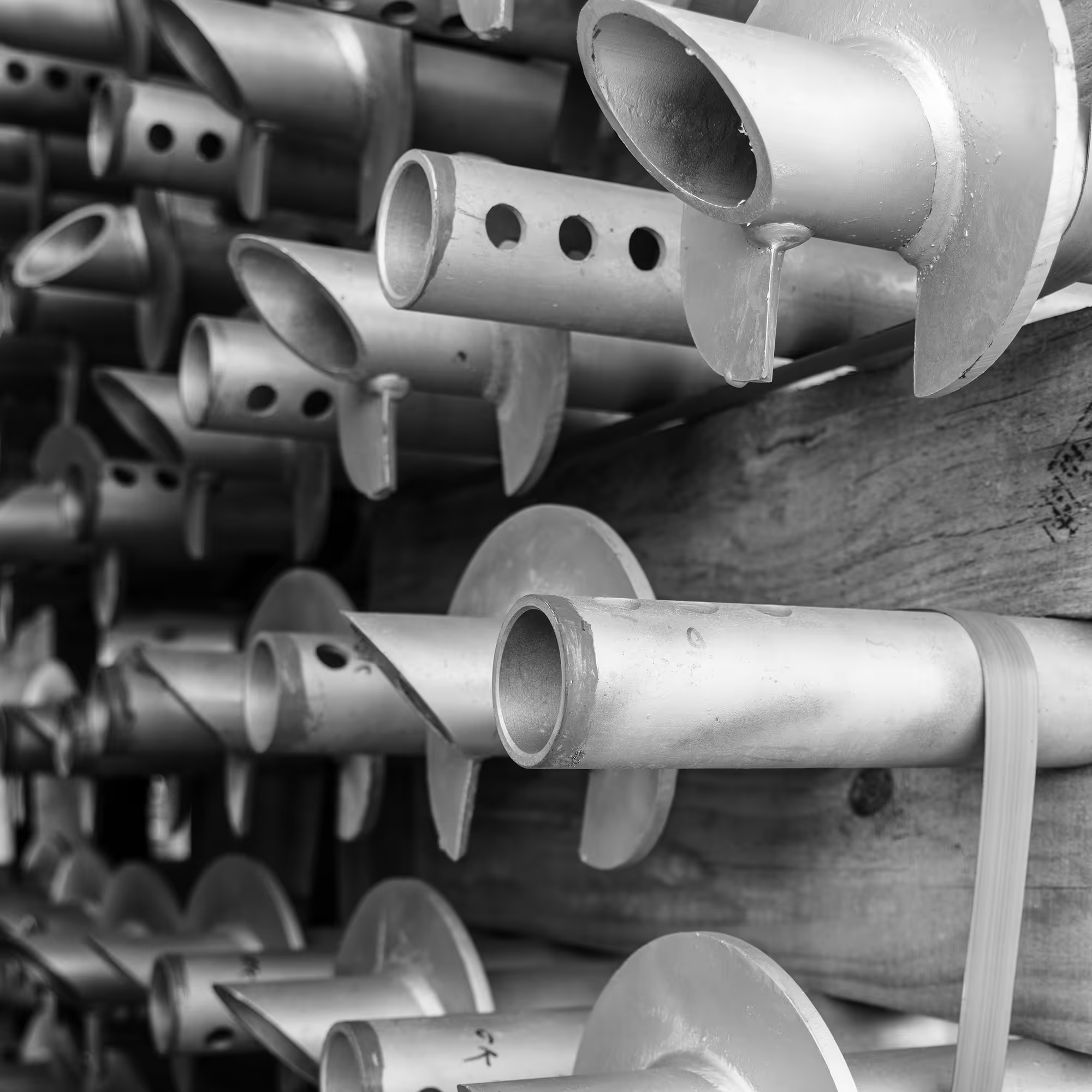
ReadyScrew piles use a patented inertia friction welding process to bond the coupling to the shaft. Unlike arc or MIG welding used by most manufacturers, this mechanical process creates a molecular bond between the two components.
Why it matters
The weld is stronger than the base steel itself. This eliminates the joint as a potential failure point during high-torque installations, resulting in the only truly seamless, single-piece helical anchor available.
When installation torque is applied, the pile performs as one continuous element.
This type of weld allows our piles to be much stronger than our competitors. It result in clients needing to use smaller piles allowing them to win more bids.
Helix Plasma Cutting
What it is
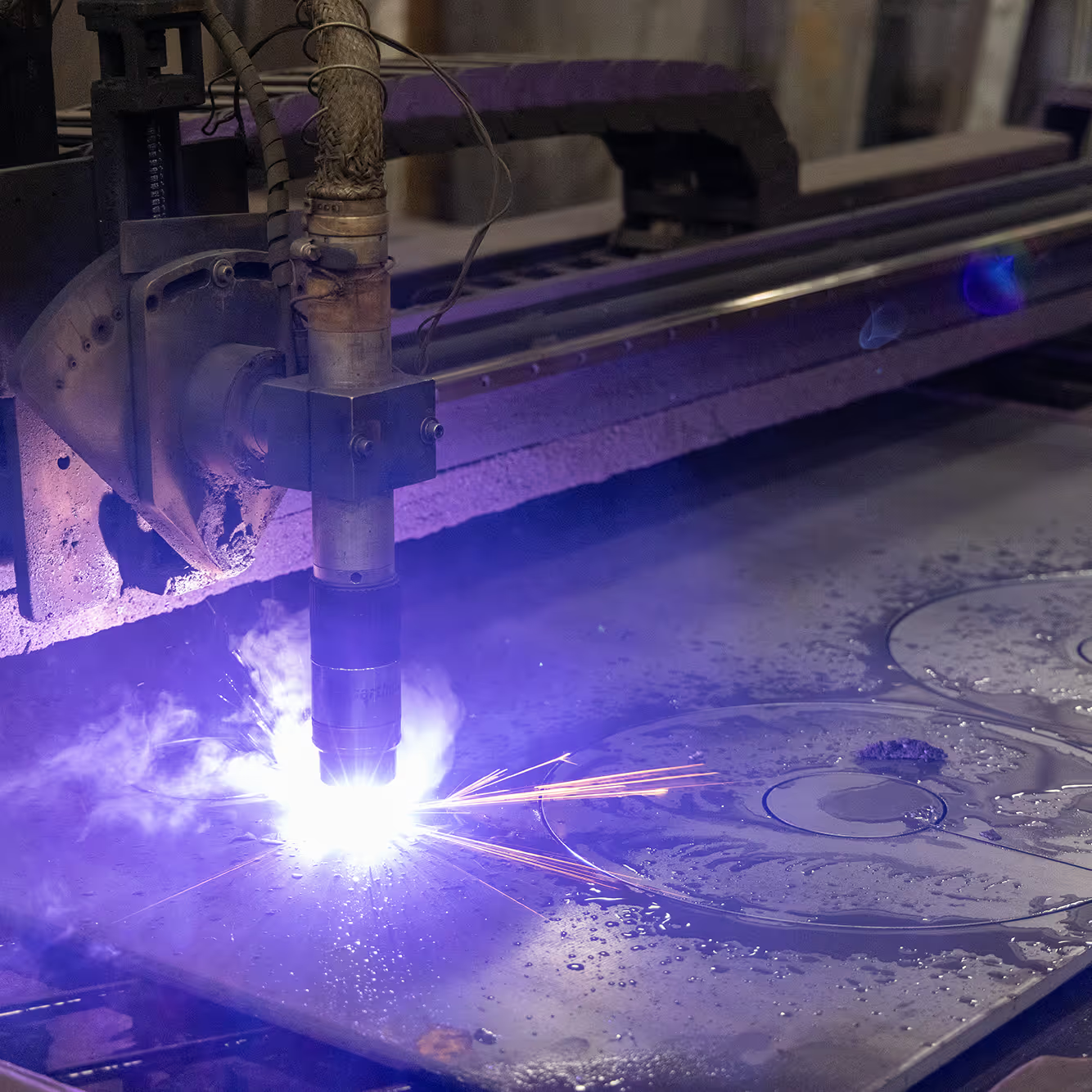
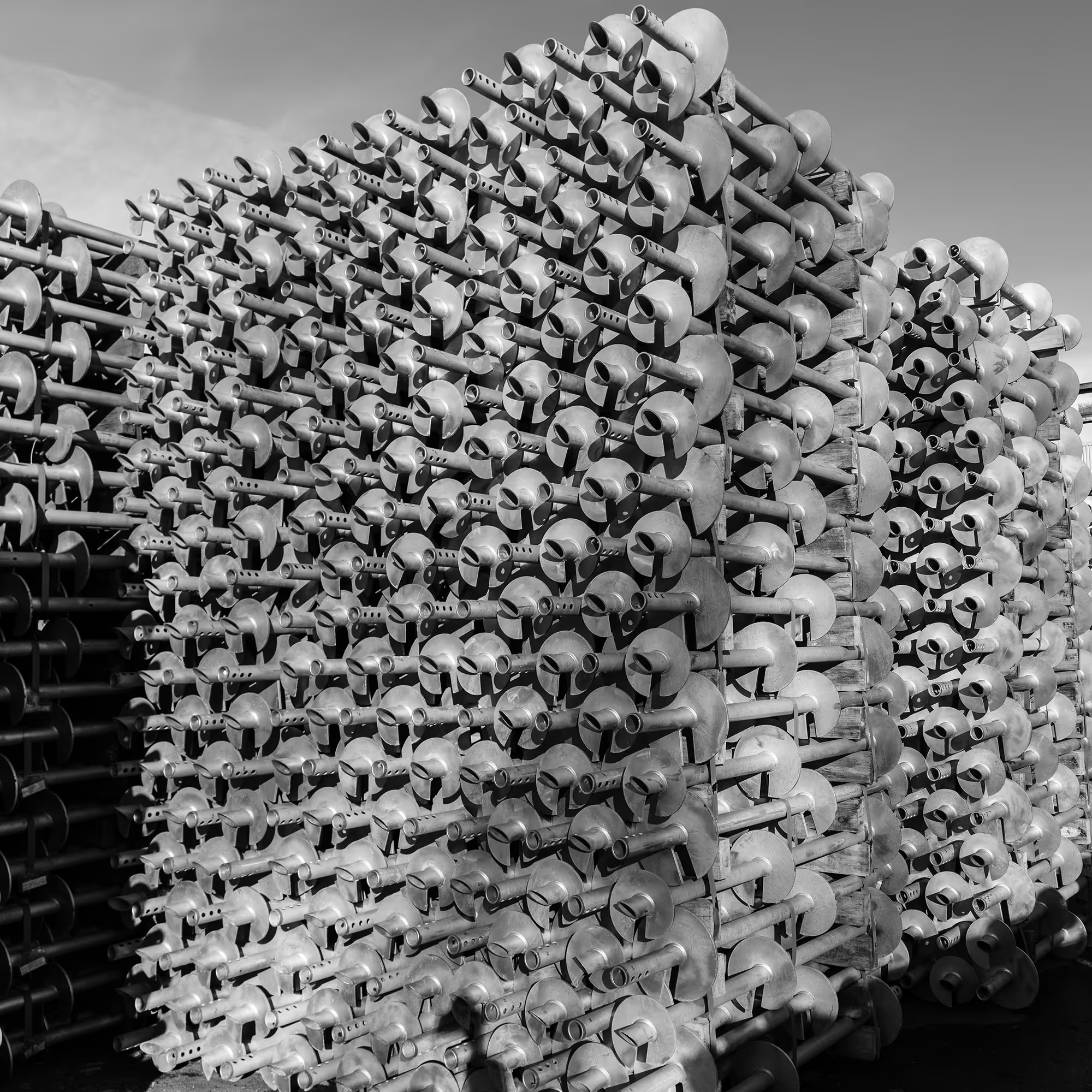
We use state of the art plasma cutting machines to meticulously cut our helix plates to form a unique chamfered edge.
Why it matters
The unique chamfered edge optimises the rotation of the helix deep into the ground well below the frost line.
The helix grips immediately in most soil types giving ultimate support of the pile load.
Medium-Carbon Seamless Steel
What it is
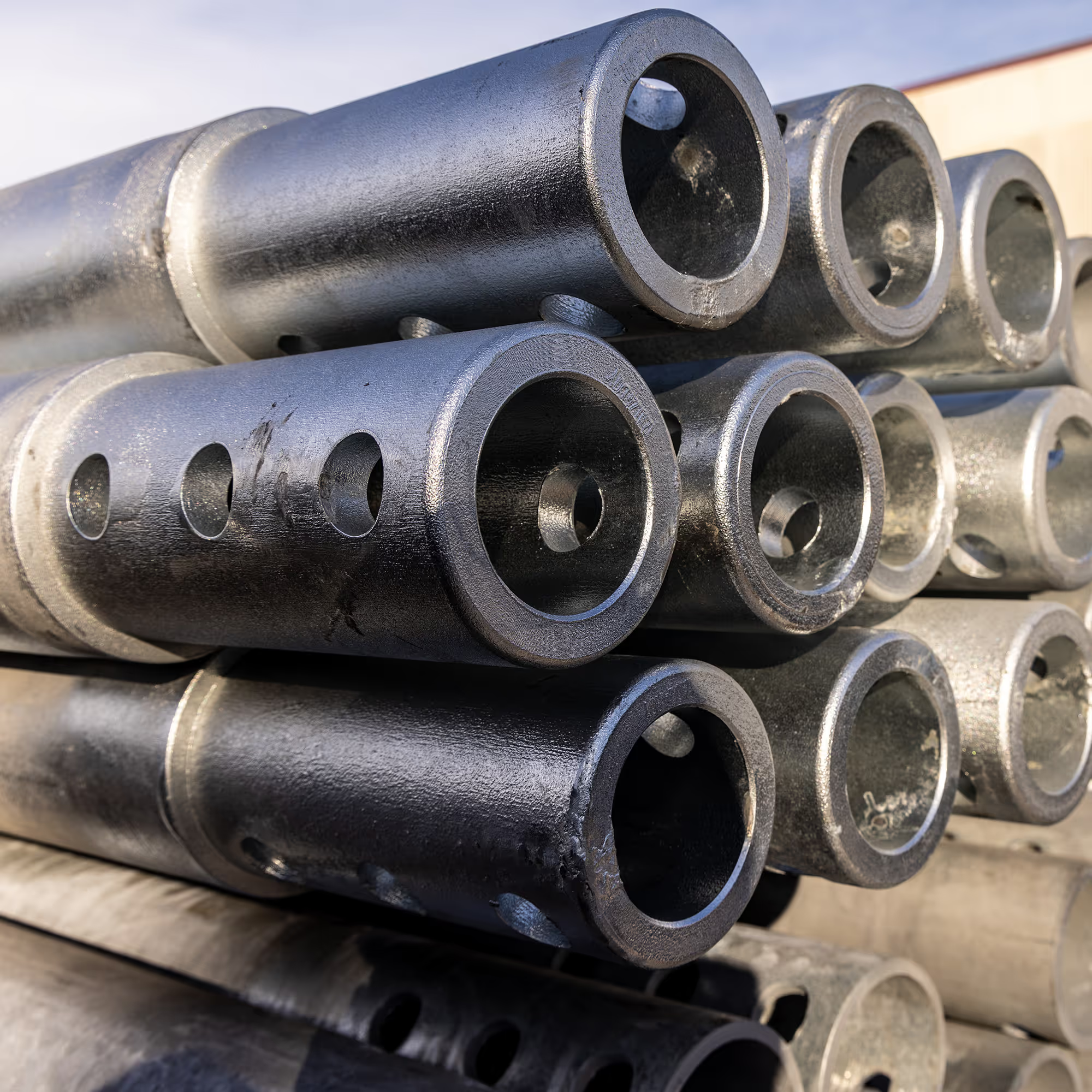
Piles are manufactured using API 5CT N80 grade seamless steel tubes, a medium-carbon steel with a minimum yield strength of 550 MPa (80,000 psi).
Coupling sections are heat-treated, quenched, and tempered to achieve yield and tensile strength of approximately 135,000 psi.
Why it matters
High strength alone isn't enough. Through precision tempering, we eliminate the brittleness that typically comes with high-strength steels.
The result is a pile that combines strength with ductility, meeting 22%+ elongation standards and delivering significantly greater fatigue life under cyclic loading.
Hot-Dip Galvanizing

What it is
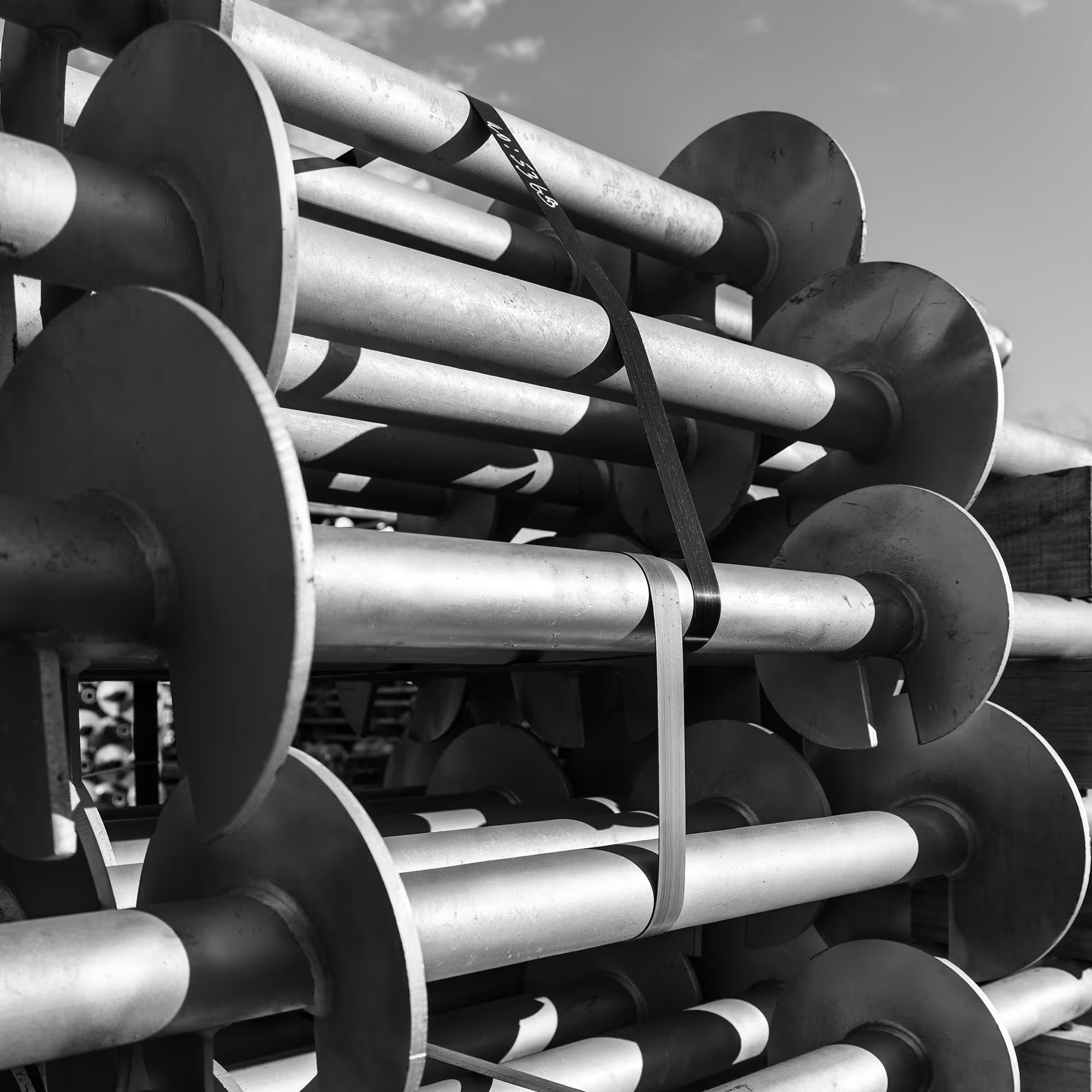
Every pile is hot-dip galvanized to protect high-strength steel from underground soil chemistry and corrosion. We galvanize to the ASTM A123 standard.
Why it matters
ASTM A123 typically results in coating thickness and adhesion that meets or exceeds the European ISO 1461 standard. This extends the effective lifespan of the pile well beyond 100 years in most soil conditions.
Corrosion protection isn't an afterthought. It's engineered into the product from the start.
ISO 9001:2015
Quality Management
What it is
We maintain unified quality standards across two primary production facilities:
USA: Certified for design, manufacturing, and processing of foundation piles and anchors
INDIA: Certified for manufacturing of helical anchors, foundation piles, and specialized heat treating and stress relieving
Why it matters
Dual certification ensures the manufacturing process in India is identical to, and audited with the same rigor as, our US headquarters. Quality standards don't vary by location.
BS EN 1090 UKCA / CE Marking Certification by BSI
Execution of steel structures
What it is
BS EN 1090 is the legal standard for manufacturing load-bearing steel and aluminium structures in the UK and EU.
It certifies that a manufacturer’s processes, welding, materials, and quality controls meet structural safety requirements.
Only companies certified to BS EN 1090 by an approved body (such as BSI) are allowed to apply a UKCA or CE mark to structural components.

Why it matters
It matters because BS EN 1090 is a legal requirement for structural steel and aluminium, proves the structure is safe and reliable under real loads, reduces risk and liability for everyone involved, ensures consistent quality through audited factory controls, and is required by insurers and regulators.
SCI & ASTM Standards
What it is
Steel Construction Institute (SCI): Our product specifications and lifecycle durability have been independently verified by the SCI, providing structural assurance aligned with UK Building Regulations.
ASTM International: Products are manufactured to meet or exceed ASTM A123 standards for hot-dip galvanizing, which specifies coating thickness and corrosion protection.
Why it matters
Independent verification from recognized bodies provides third-party confirmation that specifications are met and performance claims are grounded in tested outcomes.
FAQs
A screw pile, also known as a helical pile, helical anchor, or earth anchor, is a deep foundation system made from steel with one or more helical plates welded to the shaft.
Screw piles have been used for more than 100 years and are now widely adopted as a modern alternative to traditional concrete foundations. They are commonly used where fast installation, minimal ground disturbance, or reduced environmental impact is required.
Applications range from infrastructure and utilities to residential and commercial construction
Screw piles are installed by rotating them into the ground using hydraulic drive heads mounted on excavators or skid steers.
As the pile is screwed into the soil, the helical plates advance downward and transfer load into deeper, more stable ground layers. Installation continues until the required depth or installation torque is reached, which correlates directly with load capacity.
Once installed, screw piles are immediately load-bearing.
The helix is the spiral plate welded to the lower section of the screw pile.
Its purpose is to carry and distribute the load of the structure into the surrounding soil. As the pile is rotated during installation, the helix cuts into the ground and pulls the pile downward.
For performance and frost protection, screw piles are typically installed below the frost line to prevent movement caused by freeze-thaw cycles.
Still have questions?
Check our FAQ page.
Ready to
Build faster. Build cleaner. Build smarter.
Talk to a specialist to see if ReadyScrew screw piles are right for your project.